
Is getting stronger worth it?
What does it even mean to be strong?

There are a lot of grand, vague definitions of strength.
There are also many hyper-specific examples of strength that become definitions by virtue of their impressiveness and repeatability. They become the measuring stick for strength since people can look at the act, be impressed, and train (or desire to train) to achieve that feat.
There is a quote regarding the definition of pornography (stay with me) that I think is relevant here. It was from a supreme court case in 1964, written by Potter Stewart:
“I shall not today attempt further to define the kinds of material I understand to be embraced within that shorthand description ["hard-core pornography"], and perhaps I could never succeed in intelligibly doing so. But I know it when I see it.”
Though the context surrounding the quote doesn’t hold up, the comparison holds true: strength is hard to define, but easy to recognize. It’s changeable, malleable, and evasive.
Is strength the lifting of a heavy rock?
Lifting barbell loaded to the ends?
A gymnastics maneuver?
A display of athleticism or grace?
I don’t know how exactly to define strength, but I know it when I see it.
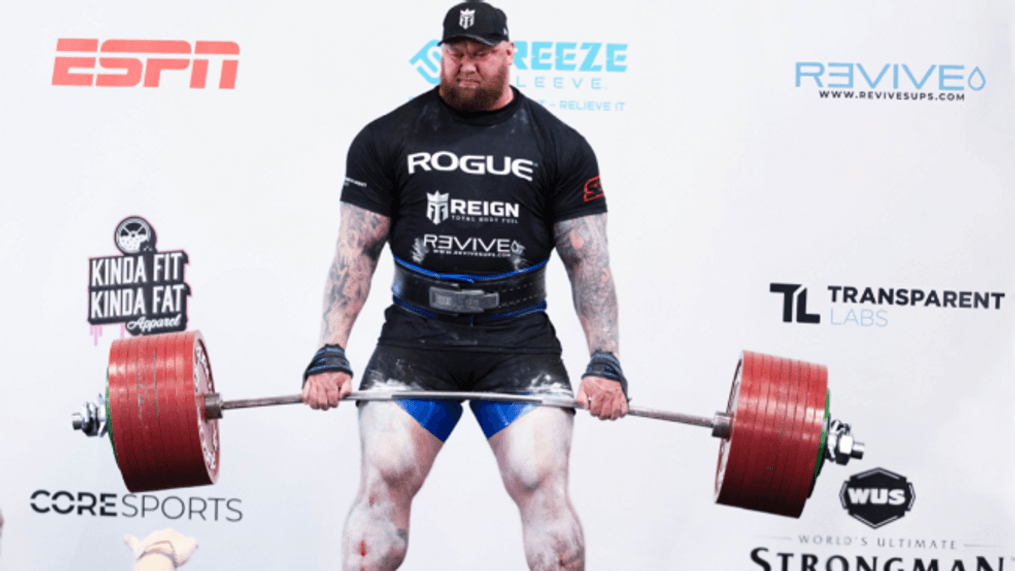
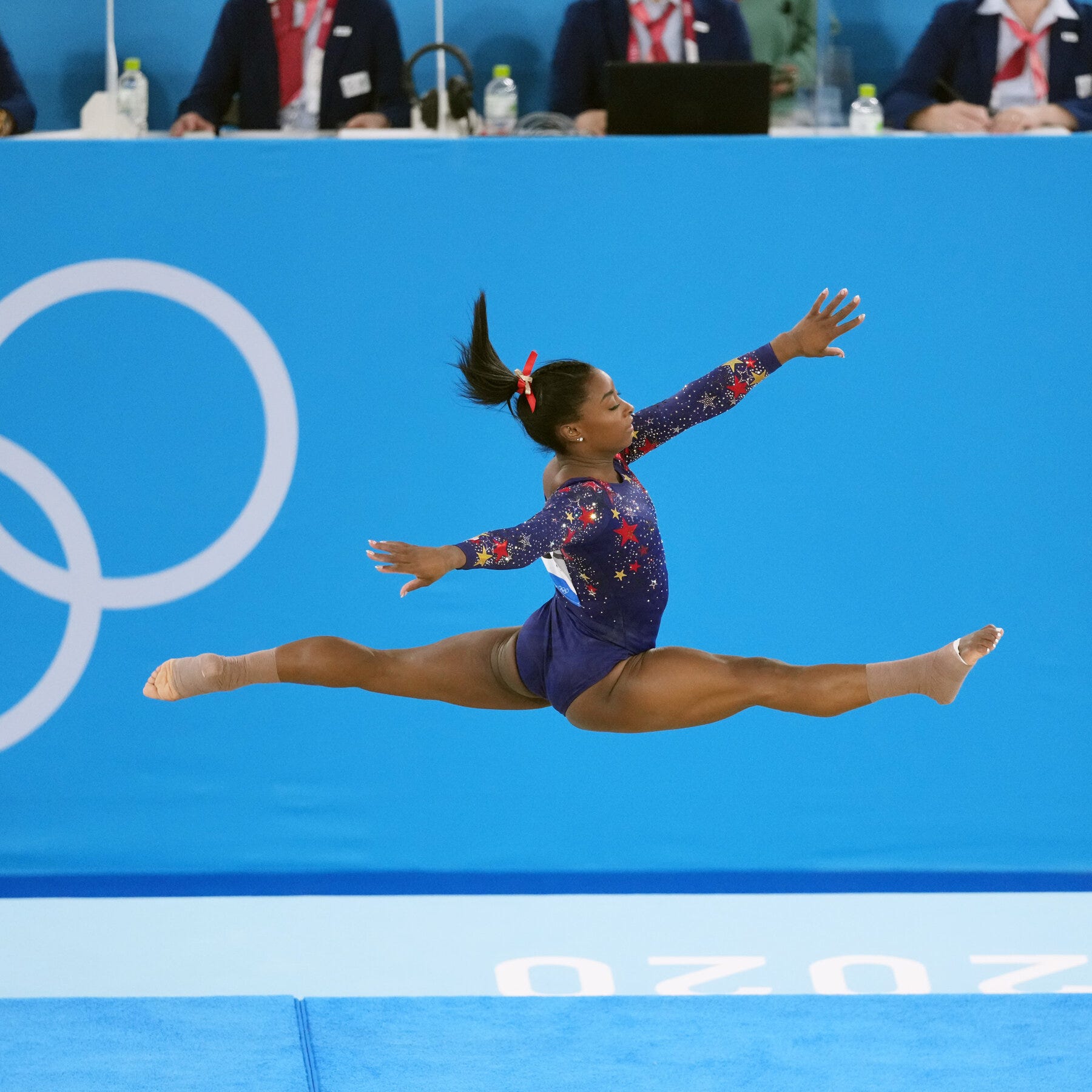
We could substitute words like fitness, movement, ability, readiness, function—all kinds of fitness buzzwords—for strength in this context. For our purposes, however, we’re discussing strength as one component of what I would consider to be a well-rounded movement practice.
Strength is a lens through which to look at training, yes, but it’s also a tool in a larger toolbox. That specific tool is the intentional creation of internal tension, expressed outwardly. It’s about efficiency and efficacy—making things easier. I like to say that getting stronger is really about being lazy: the stronger you get, the less effort easier things are, so you have to use less effort.
Strength also sort of feels like umami: a word that doesn’t have a direct translation into English. We can approximate meanings, but it involves a lot of “sort of’s” and “kind of like’s.” Specific definitions resort to the most easily quantified data, which is usually something like how much weight is on a bar or how high one can jump.
So how can we de-contextualize strength from the act of lifting a weight or performing a feat and re-contextualize it to the individual?
It seems to me we need a reliable definition of strength to proceed. To that end, here are some of what I would consider some of the definable tenets of strength:
The external expression of force: lifting/moving an object; lifting/moving your body; interacting with another body (dance/combat).
Tension: the necessary creation of force or torque at the appropriate time, usually relative to external force or load.
Leverage: how do you get into the best possible position to do the thing you want to do?
Resilience: the ability to manage discomfort (primarily physical discomfort)
Effort: a basic principle of exercise states “sufficient stress is necessary to disrupt homeostasis.” The movement world (a micro-niche of people within the fitness industry who explore non-traditional exercise means) skirts around effort in pursuit of mastery and control, but I think there’s benefit in the idea of pushing up against one’s limits. Strength is butting up against these edges through outward expression of force and control of the body.
Capacity: the wherewithal to Do Stuff. Exists at the intersection of resilience and effort.
The intangible quality of strength: belief in oneself. This is a nigh immeasurable component that is possibly related to a number of factors including (but not limited to): self-confidence, personal privilege, experience, social support/community, injury/pain history, situational perception (how do you perceive what is happening/going to happen?)
There is no endpoint to strength: to understand it as a pursuit as opposed to a definitive endpoint where one has reached a goal as concrete proof that they are “strong.” That’s why it’s more of a lens or a tool to apply to your larger training, not a finite end goal.
My purpose as a coach/trainer/whatever is not to define strength for you, the lifter/mover/client/whatever, but to assist you in developing a sense of how you define strength, fitness, and ability.
From that we create benchmarks by which you can measure your development of strength, skill, and capacity. It’s about taking a fairly simple, straightforward concept that has been made overly complex by movement and fitness culture and bringing it back to the point in a clear, accessible way.
It's just an idea. Not the be-all, end-all. Strength is a tool. Exercise is a tool. Fitness is a tool. Let's find ways for you to use these tools in ways that work for you.