
The 11 Commandments
Wait, is this a religious thing?

What does Henry Miller have to do with exercise?
Not much, to be honest.
Henry Miller was known for his subversive novels like Tropic of Cancer and Black Summer - books that broke literary tradition, crossed genre and stylistic lines, and got banned in the US. His 11 Commandments, though directed at the author himself & other writers, have a universality to them that ring true across all parts of life.
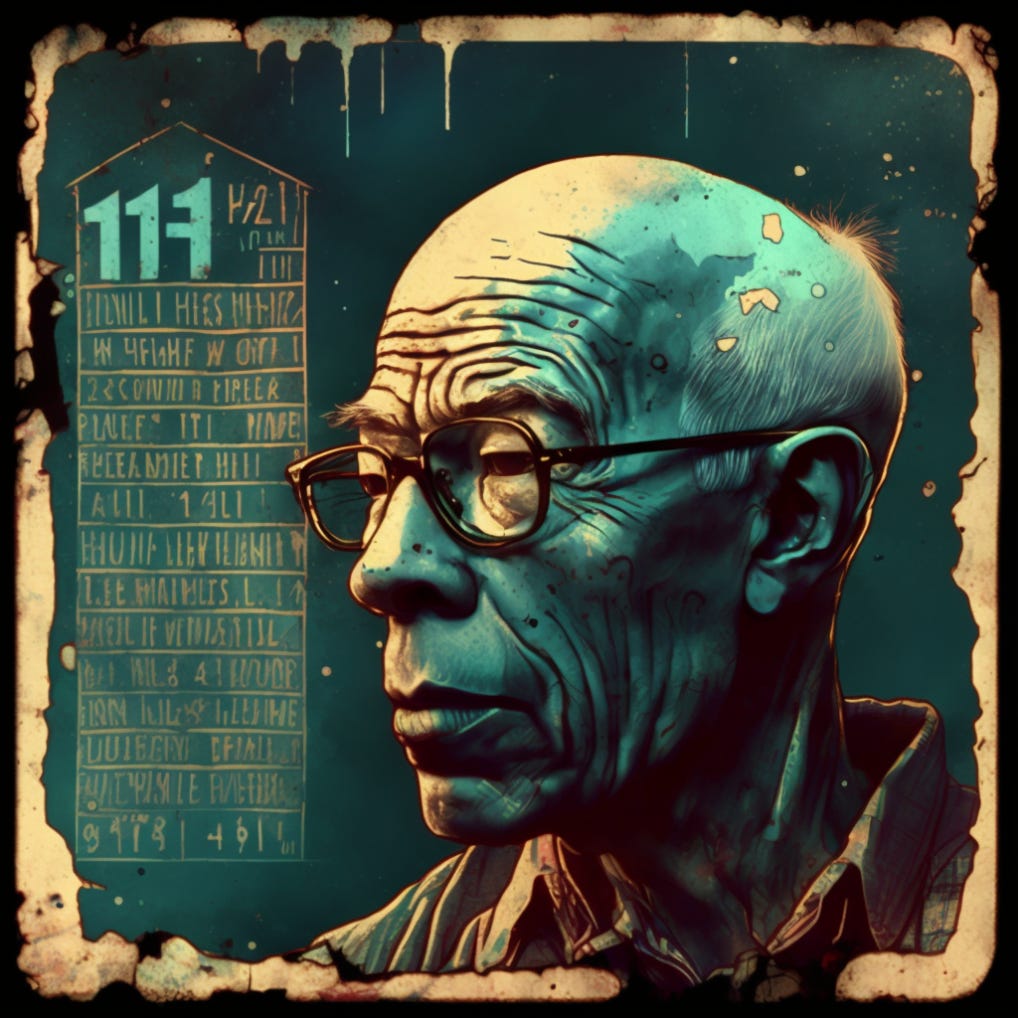
Henry Miller's 11 Commandments of Writing
Work on one thing at a time until finished.
Start no more new books, add no more new material to ‘Black Spring.’
Don’t be nervous. Work calmly, joyously, recklessly on whatever is in hand.
Work according to Program and not according to mood. Stop at the appointed time!
When you can’t create you can work.
Cement a little every day, rather than add new fertilizers.
Keep human! See people, go places, drink if you feel like it.
Don’t be a draught-horse! Work with pleasure only.
Discard the Program when you feel like it—but go back to it the next day. Concentrate. Narrow down. Exclude.
Forget the books you want to write. Think only of the book you are writing.
Write first and always. Painting, music, friends, cinema, all these come afterwards.
What if we thought about our movement practice the same way?
As we push through what feels like a never-ending battle with COVID (in the US, at least), I think it helps to have a gentle reminder that there is value in just showing up - that even if we don't have the motivation, ability, or resources that we may have had in the past, that we can still move forward just by showing up and doing something.
Theoretically, I am talking about movement (since this is, ostensibly, a newsletter about movement and the body), but there is something to be said for putting expectations aside and beginning with the simple act of walking through the metaphorical door in all aspects of life.
“Work according to the program and not according to mood.”
Perseverance and consistency are a central part of making progress, but this doesn’t mean that the process must be utterly lacking in soul, or a joyless burden through which we must suffer. It can (and should) be enjoyable: “Keep human!” and “Work with with pleasure only.”
The process of learning, moving, and working hard physically can be an enjoyable and fulfilling task, if we find the right space and pursuits that speak to us. Then we can, as Miller says, “work calmly, joyously, and recklessly.”
Whenever I revisit this list, I discover something new about it. Where I am in that moment reveals a new perspective, or a different understanding of a line I've read a dozen times before.
With the lens of COVID, unpredictable times, and the monotony of isolation, Commandment #9 stands out to me:
"Discard the Program when you feel like it - but go back to it the next day. Concentrate. Narrow down. Exclude."
I love Bruce Lee, and though it is quoted to the point of nigh meaninglessness, his assertion "Use what works, discard what doesn't" (summarization of full quote) relates here: put aside the unnecessary, and focus on the things that bring you the most value.
That part is obvious. But what is standing out to me today is "Discard the Program when you feel like it - but go back to it the next day."
The day is not what matters - it is consistency over time. So what if you don't do exactly what you planned on that day? Days accumulated over time into weeks, months, and years are what takes you from point A to B.
So skip a day. It's fine. Do something different than what's on the paper. It's going to be OK. Go back when you're ready. The Program will still be there, and you'll be better off missing a day than if you forced yourself to do it until you burn out.
What do you think?
What can you take from the 11 Commandments?