
What is Fitness?
What does it mean to be "fit?"

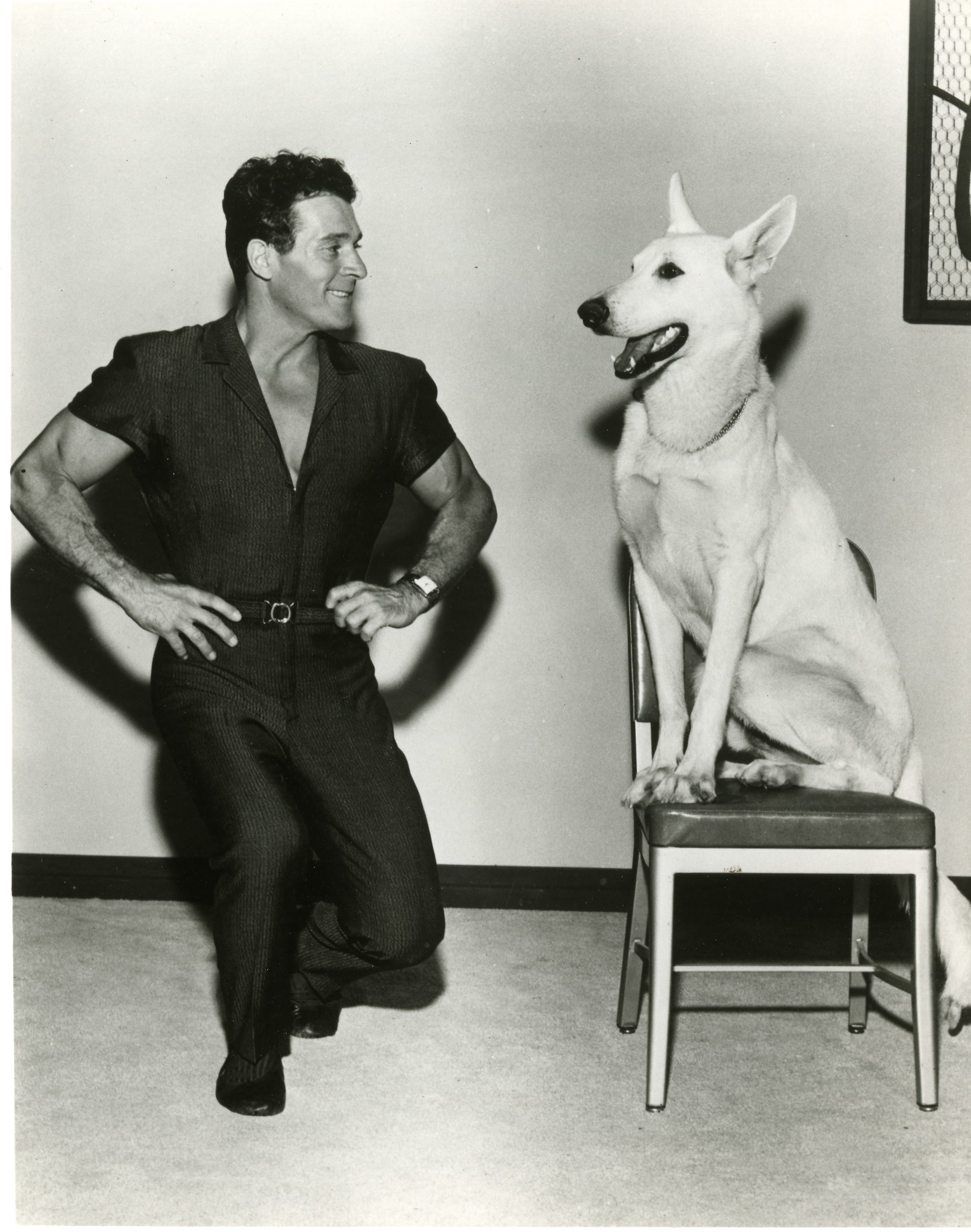
One of the hardest parts of getting into exercise is figuring out what to do, and how. It helps to have a definition for the result we desire, which is generally called fitness.
What does fitness mean?
Not much, really.
It’s a general term for the ability to do a task - being “fit,” aka capable of performing a task. That doesn’t always mean healthy - in fact, through the lens which most of fitness culture views fitness, it’s actually quite UNhealthy: the unnaturally low body fat and extreme dieting that is centered in fitness culture have profoundly negative effects on the human body. The highly competitive level at which most sports are played also has lasting effects on bodies, often leading to lifelong pain and injuries.
Ironically enough, those who we, as a culture, hold up as paragons of fitness are actually quite unhealthy, if we’re going by the above definition of health as the ability of our body to function as well as it can for as long as it can.
Pushing to the extreme limits of human capacity might be impressive, but it requires sacrifice. If your goal is to achieve some rare feat, you will have to give up a lot, very likely including some quality of life in the long run. That is a decision that you will make - or may have already made.
But this isn’t a guide to how to become an Olympic athlete. That's a wholly different path, and usually one that begins in childhood. My purpose here is to simplify exercise and all its related components for people who want to use exercise as a tool to make their lives easier and better - to have more options.
To that end, we will define fitness as the ability to Do Stuff. Everyone wants to be able to Do Stuff - what that Stuff is, and how you want to Do it, all depends on you.
There’s a lot of different Stuff you can do, and a lot of different ways to Do it. To simplify things, we’re going to divide exercise into 3 categories:
Capacity: the ability to do more stuff
Strength: the ability to do harder stuff
Flexibility: the ability to do stuff in the largest range of motion (ROM) possible.
These definitions are intentionally vague because the understanding of fitness and all the associated words are highly subjective. What one might define as strength may vary significantly from how another views it.
Leaving these terms open-ended creates space for you as the user to assign your own values to those words so that you may use the tools to personally meaningful ends, but by understanding these categories, you’ll be able to better apply exercises to your goal, which we call Intention.
Intention is what you’re trying to get out of the activity, and it’s the key to all of this. Everything hinges around your intention.
To determine out how to best use the tool of exercise, figure out your intention and its demands: what kind of stuff are you trying to do, and how much capacity, strength, and flexibility do you need to do it? That is where the bulk of our time and energy exercising should go.
If your goal is to become stronger - say, in a particular lift like a deadlift - it would probably be best to focus on exercises and training methods that help you become stronger. If the goal is something flexibility related like touching your toes, then focused flexibility work would probably be best.
There’s not a wrong way to train (or exercise), but knowing what your desired result is helps streamline the process.