
Why does my back hurt?
The final answer on back pain. Period. The last of all time.

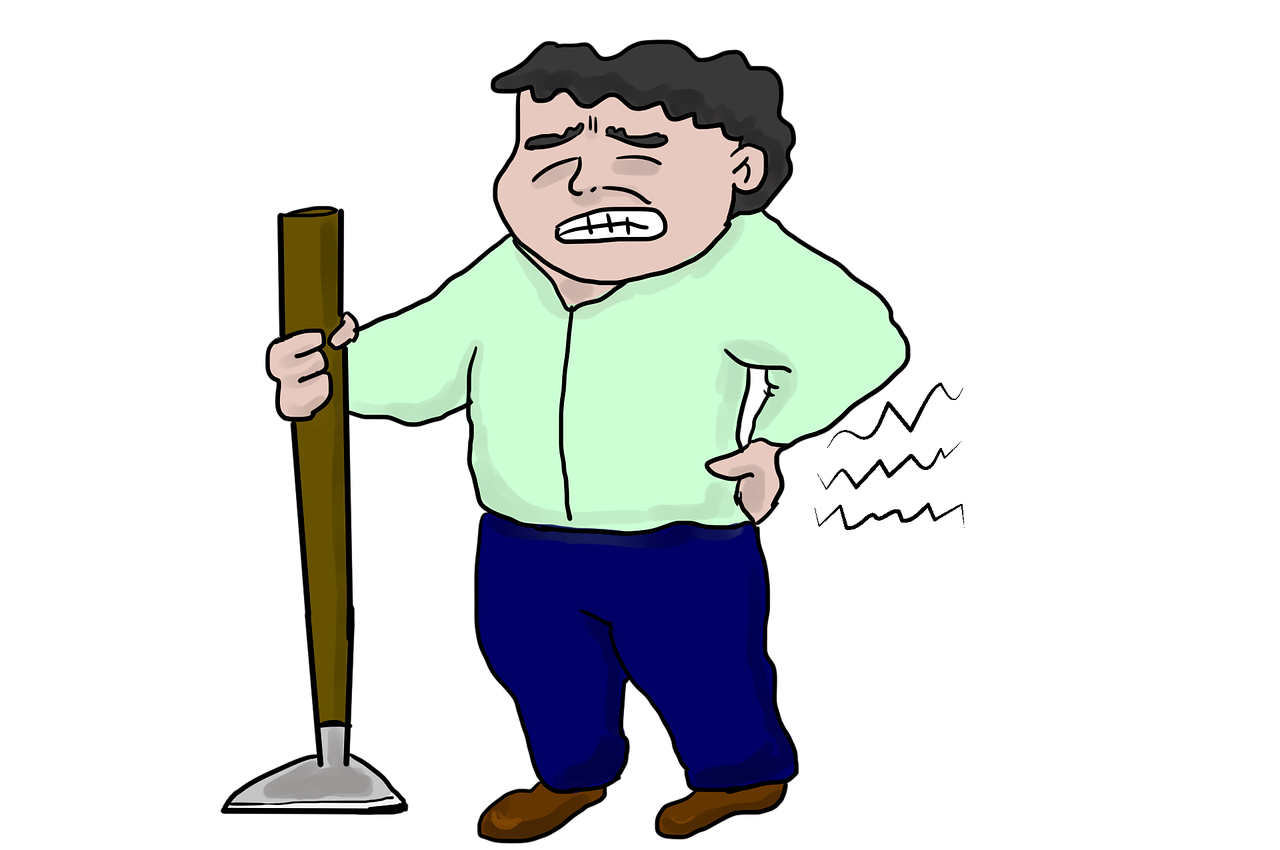
A 2009 study at the University of North Carolina showed that over 80% of Americans will experience some form of back pain in their lives. That’s a staggering number that shows no signs of declining, having nearly doubled in the decade leading up to the study.
Fear culture could be blamed for the significant rise - a marked awareness and fear of back and spine-related problems could have been the cause for increased reporting of back pain, but factors such as lack of activity, depression, and an increase in sedentary jobs are just as likely.
So how can we fight off this nigh inevitable battle with our backs? Is it even possible to stave off back pain?
The answer (my favorite): it depends. If our back pain comes from acute injury, how do we prevent or at least lessen the likelihood of a similar injury occurring? If it’s related to physical labor, how do we improve the working conditions of laborers? If it’s from a desk job, how do we inject more movement into the lives of the deskbound? What about fitness-related back injuries? Those are also on the rise, how do we lessen those?
Each of these possibilities requires a different approach, as does each individual. A strategy that works for one person might fall flat for another. There’s no catchall, but there are a few tips and tricks we can use to reduce our likelihood of back pain, and recover faster if we do find our back yelling at us. Here's a couple ideas to start with:
See a professional: disclaimer - working out can't fix everything. Shocking, I know, but sometimes we actually need a medical professional's opinion. If you're experiencing sharp pinching, numbness, tingling, nerve pain, or pain so intense you can't stand or walk, go to the doctor.
Spend less time sitting or being still in one position: of course this one comes with the caveat that you should do it if you physically can. The wheelchair bound, chronically ill, or disabled might not have the luxury of getting up and walk around. In that case, injecting as much non-exercise movement in your life as possible is the goal. If you’re a person who sits (or stands) in one place all day, try to spend at least 5 minutes of every hour standing, walking, squatting, rolling in the grass, whatever you can manage. Even a few minutes every hour can throughout the day make a huge difference.
Be barefoot more: the foot haters out there are cringing, I know. But the feedback bare feet on different surfaces gives us is like candy for the brain. Start on soft, forgiving surfaces like carpet or grass. Gradually increase the variety of surfaces you expose your feet to: different textures, inclines, declines - things like soil, sand, even round rocks of varying sizes. All of these give super valuable feedback to our feet and nervous system that creates mobile, strong, and adaptable feet that stabilize the body and protect us (including our backs! Especially our backs!). This one also comes with the caveat of do it if you can - not everyone is in a place where they can be barefoot safely (or in a professionally acceptable way). There are a number of minimalist footwear companies making great shoes, so even when you can't be completely barefoot, you can be close to it.
Increase your variety of movement: most of us, when we start exercising, engage in accessible pursuits like walking, running, or cycling. Or we go to the closest gym and do what the pictures on the machines show, do what we see others do in person or what we’ve seen online. This is all fine, but it’s not necessarily what our individual bodies need, and most all of it operates within a small, preset range of motion, arbitrarily defined by either an engineer who designed a machine or someone showing a generic exercise on Youtube. The more we can twist, bend, flex, extend, and move in different and creative ways, the more we strengthen our entire body throughout a variety of ranges - as long as we’re training within our capacity, and not putting our body at risk by thoughtlessly throwing weight on the bar or doing hundreds of reps “just because.”
Move your spine: most of the exercises you’ll find if you search “back pain” on Google either have to do with “stabilizing” the spine (ie, locking it in to one position), or stretching some part of the back or hip. Both of these things have their place, and are extremely valuable. But our spines are actually made up of a whole bunch of joints - it’s made to move. Take it out for a spin sometime! Find a safe range of motion and try moving different parts of your spine forward and back, side to side, and in gentle circles.
Cool, now you have all the tools to never experience back pain again, right?
Um...okay...here's the thing: you'll probably still get back pain.
WHAT?!
But I thought this was supposed to fix back pain forever!
Alright here's the thing: pain is complicated. More complicated than we ever imagined. There's so many factors that can play into someone's pain and their perception of it - including (but not limited to): past experience with pain/injury; socio-economic situation; race; childhood; mental state; access to community; oh yeah, and the condition of their tissues.
As in, if there's actually damage to the physical tissues (muscle/tendons/ bones/etc). Yeah, that one’s actually pretty low on the list - people experience pain all the time with no measurable damage to any part of their body - meaning that it’s much more likely that back pain comes from a variety of hard-to-pinpoint sources and less from damaged tissues.
So what's the use of doing any of this if pain is just this nebulous, inevitable thing?
One thing we can do is help ourselves become more resilient, so that in the event of pain, we have more space in our tolerance capacity to handle the increased stimulus - aka get stronger. Exercising, especially resistance training, helps build a bigger cup that can handle more stimuli, especially the stressful kind that often causes pain.
All of the suggestions above create opportunities for us to spend more time listening to our bodies and spending time building movement confidence - if we believe we can do things, and we feel okay doing them, we'll be less likely to be sidelined by injury and pain.
It's like a reassuring (consensual) pat on the shoulder - it helps us feel more secure, and that security builds confidence, which builds resilience, which means we can handle pain more easily, and, hopefully, experience it less.